
A Complete Guide for Job Seekers and Work Visa Applicants
When people say they are “going to Europe for work,” they often assume that all European countries follow the same visa rules. In reality, Europe is made up of many independent countries, each with its own immigration laws, work permit system, and visa requirements.
One of the most important things every job seeker should understand before applying for a European job is whether the destination country is part of the Schengen Area or outside it. Knowing the difference can help you understand your visa, travel rights, and legal responsibilities.
What is the Schengen Area?
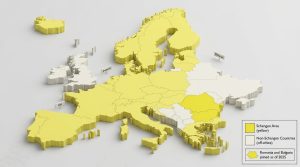
The Schengen Area is a group of European countries that have abolished internal border checks between participating states. Once you legally enter the Schengen Area and meet the conditions of your visa or residence permit, you can generally travel between Schengen countries without passing through routine passport controls at internal borders.
For work visa holders, this does not mean you can work in any Schengen country. Your work authorization is tied to the country that issued your work permit.
Current Schengen Countries (2026)
The Schengen Area currently includes 29 countries:
🇦🇹 Austria
🇧🇪 Belgium
🇭🇷 Croatia
🇨🇿 Czech Republic
🇩🇰 Denmark
🇪🇪 Estonia
🇫🇮 Finland
🇫🇷 France
🇩🇪 Germany
🇬🇷 Greece
🇭🇺 Hungary
🇮🇸 Iceland
🇮🇹 Italy
🇱🇻 Latvia
🇱🇮 Liechtenstein
🇱🇹 Lithuania
🇱🇺 Luxembourg
🇲🇹 Malta
🇳🇱 Netherlands
🇳🇴 Norway
🇵🇱 Poland
🇵🇹 Portugal
🇸🇰 Slovakia
🇸🇮 Slovenia
🇪🇸 Spain
🇸🇪 Sweden
🇨🇭 Switzerland
🇧🇬 Bulgaria
🇷🇴 Romania
Bulgaria and Romania became full members of the Schengen Area in 2025 after the removal of land border controls, completing their Schengen integration.
What Are Non-Schengen European Countries?
Some European countries are not part of the Schengen Area. These countries maintain their own border controls and immigration systems.
Examples include:
🇦🇱 Albania
🇷🇸 Serbia
🇲🇰 North Macedonia
🇲🇪 Montenegro
🇧🇦 Bosnia and Herzegovina
🇽🇰 Kosovo*
🇲🇩 Moldova
🇺🇦 Ukraine
🇬🇧 United Kingdom
🇮🇪 Ireland
*Recognition of Kosovo varies by country.
Each of these countries has its own work visa rules, residence permit procedures, and border requirements.
Does Schengen Mean You Can Work Anywhere?
No.
This is one of the biggest misconceptions among overseas job seekers.
For example:
- If you receive a Malta work permit, you are authorized to work in Malta only.
- If you receive a Croatia work permit, you are authorized to work in Croatia only.
- If you receive a Hungary work permit, you are authorized to work in Hungary only.
Even though these countries are in the Schengen Area, your employer sponsorship and work authorization do not automatically allow you to work in another Schengen country.
Working in another country without the required authorization may violate immigration and labour laws.
Can You Travel to Other Schengen Countries?
In many cases, yes.
Once you hold a valid residence permit or national long-stay visa issued by a Schengen country, you may generally travel to other Schengen countries for short visits, subject to the applicable rules.
However:
✅ Tourism or business visits are different from employment.
You cannot legally take up work in another Schengen country simply because you hold a work permit from a different Schengen member state.
Examples
Example 1: Malta
A chef receives a Malta work permit.
✔ Can work in Malta.
✔ May be able to visit Italy or France for a short holiday, subject to Schengen rules.
❌ Cannot start working in Italy without the appropriate Italian authorization.
Example 2: Croatia
A hotel employee receives a Croatian work permit.
✔ Can legally work in Croatia.
✔ May travel for short visits within the Schengen Area if the conditions are met.
❌ Cannot accept employment in Germany without obtaining the proper German work authorization.
Example 3: Serbia
A factory worker receives a Serbian work visa.
✔ Can work in Serbia.
❌ Serbia is not part of the Schengen Area, so Schengen travel rules do not automatically apply.
Why Does This Matter for Job Seekers?
Understanding whether your destination country is Schengen or non-Schengen helps you:
- Understand where your visa is valid.
- Know your travel rights.
- Avoid immigration misunderstandings.
- Plan future travel legally.
- Follow the conditions of your work permit.
It also helps prevent common misconceptions, such as believing that a work visa for one European country automatically allows employment across Europe.
Questions to Ask Before You Apply
Before accepting a job offer, ask:
- Is this country in the Schengen Area?
- What type of visa or residence permit will I receive?
- Does my permit allow short-term travel within Schengen?
- Am I authorized to work only for this employer?
- What are the conditions for renewing my permit?
Understanding these details before travelling can help you avoid unnecessary complications later.
Final Thoughts
Europe offers exciting opportunities for international workers, but it is not a single immigration system. Every country has its own labour laws, immigration procedures, and work permit requirements.
Whether you’re applying for a job in Malta, Croatia, Hungary, Romania, Bulgaria, Serbia, Albania, or any other European country, always learn about the country’s immigration framework before signing your contract.
The more informed you are, the better prepared you’ll be for a smooth and successful career abroad.
At GCD HR & Management Consultancy, we believe that informed candidates make better decisions. Understanding the difference between Schengen and non-Schengen countries is one of the first steps toward a safe, legal, and successful European employment journey.


